
The Allure of Casino Games
Casino games possess a unique charm that draws in players from all walks of life. The bright lights, the sound of spinning reels, and the thrill of the game create an atmosphere that is hard to resist. This allure taps into fundamental psychological needs such as excitement, escapism, and social interaction. Players are often looking for a break from their routines, and here in this perfect setting, temporary escape is easily accessible.
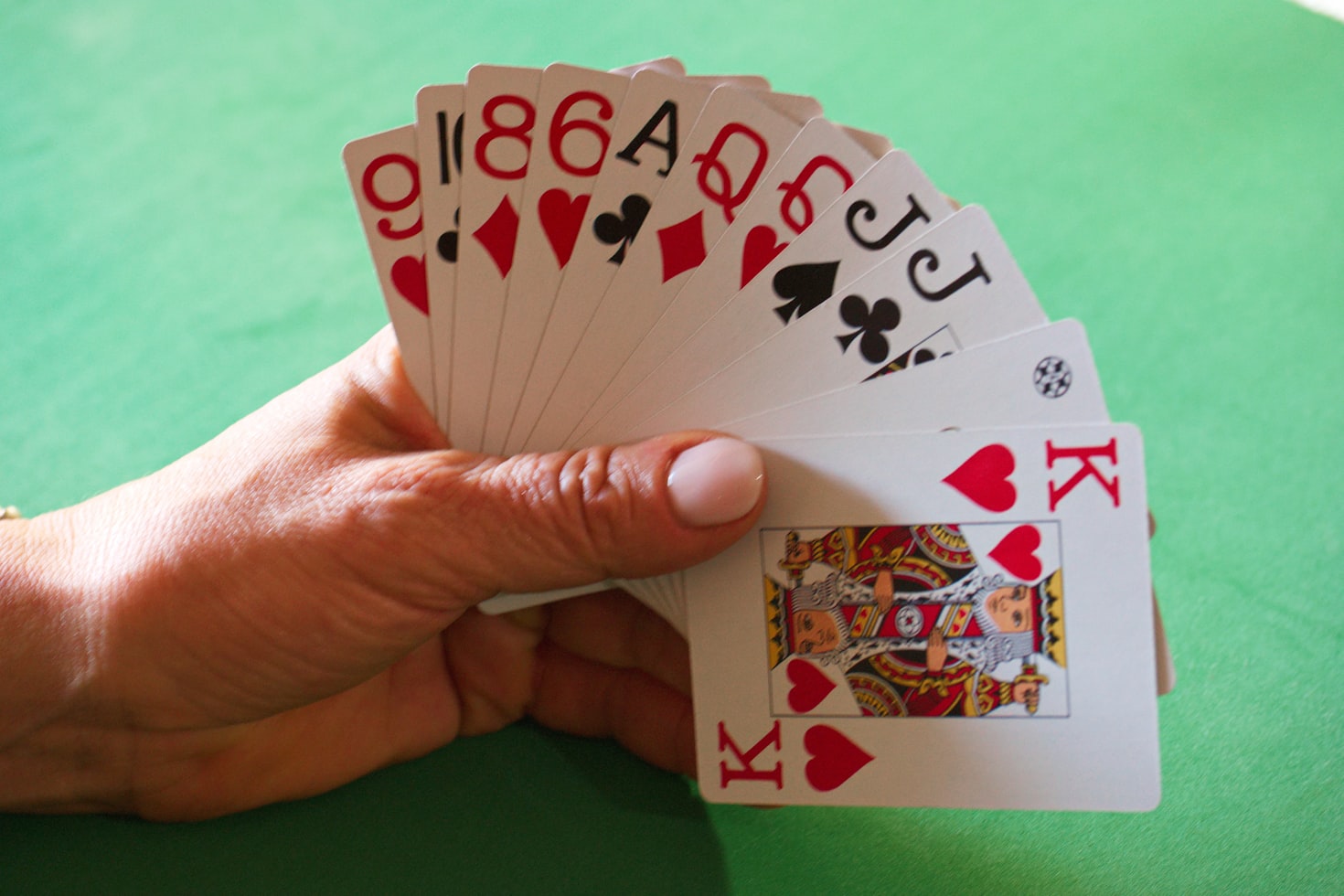
The psychological stimulation that comes from gambling can also be quite addictive. The anticipation of winning and the rush of adrenaline when a player hits a jackpot foster a sense of euphoria. This blend of excitement and potential reward can create a powerful motivator, encouraging individuals to engage in more gambling behavior in pursuit of that next big win.
The Role of Chance and Skill
Casino games are often divided into two main categories: chance-based games and skill-based games. Chance-based games, like slots and roulette, offer players the thrill of randomness, where luck plays a significant role. Players may feel a sense of control when they make choices, such as selecting a slot machine or placing a bet, but ultimately, the outcome is left to chance.
On the other hand, skill-based games, like poker and blackjack, allow players to utilize their knowledge and strategy to influence the outcome. The perception of having skill can enhance a player’s experience and satisfaction, making them more likely to return to enhance their strategic prowess. This duality between chance and skill adds complexity to the psychology of why people are drawn to these games.
The Impact of Social Dynamics
The social environment of casinos plays a crucial role in the psychology of gambling. Many players enjoy the camaraderie found in a casino, sharing moments of excitement with fellow gamblers. This social aspect can enhance the thrill of the game, making it more enjoyable and engaging. Additionally, many players feel a sense of belonging when they are surrounded by others who share the same interests.
Moreover, casinos often foster a culture that encourages social interaction, whether it’s through communal games or events. This social dynamic can amplify the reinforcement of gambling behavior, as the shared experiences can lead to stronger emotional connections and a desire to return to the casino environment.
The Psychological Traps of Gambling
While many enjoy gambling responsibly, it is essential to recognize the psychological traps that can lead to problematic gambling. Cognitive biases, such as the illusion of control and the gambler’s fallacy, can distort a player’s perception of winning and losing. These biases make it difficult for individuals to recognize when they are losing money or the likelihood that they will win again after a loss.
Understanding these psychological pitfalls can help players make informed choices about their gambling behavior. It is crucial to foster awareness and education around responsible gambling practices to mitigate risks associated with these psychological traps.

About Our Website
Our website is dedicated to providing insights and resources on the psychology behind casino games, aiming to enhance your understanding of why we play and how we win. We prioritize user security and protection against online threats, ensuring a safe and informative experience for our visitors with a wealth of knowledge on gambling behavior.
We are committed to enriching your gaming experience through education and awareness. Whether you are a casual player or a seasoned gambler, our platform offers valuable content to help you navigate the fascinating world of casino psychology while keeping your engagement responsible and enjoyable.